At a glance
- 13 of 13employees were using the app by day two
- 8.5 h → about 1 hof the manager’s time per week: schedule, hours, housekeeping assignments, schedule questions
- 88% → 98%of rooms ready for check-in at 14:30
- 8 → 2-3late arrivals a month; no-shows without notice: from 2 to 0
- 0-1leave clashes in high season (previously about 3)
- 12 of 13employees prefer KalendGO to the previous way of working
- Hotel
- independent hotel
- Rooms
- 32
- Location
- 200 m from Gare de Lyon
- Team
- 13 people: 24/7 front desk on three shifts, housekeeping and breakfast
- PMS
- integrated with KalendGO
About the hotel
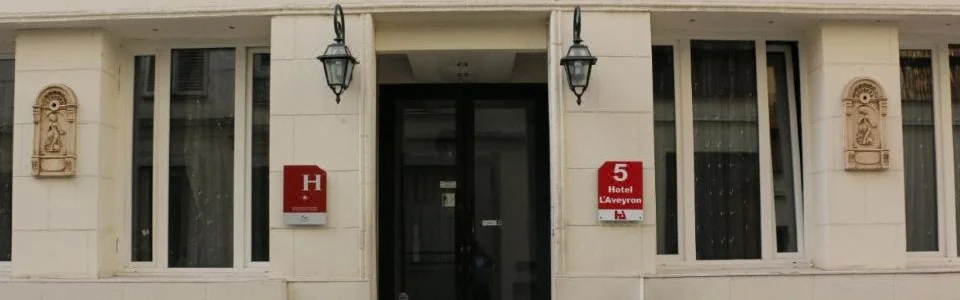
Hôtel de l’Aveyron has 32 rooms on rue d’Austerlitz, about 200 m from Gare de Lyon and a 10-minute walk from the Bastille. Most guests are travelling and stay a night or two between trains. That means about 20 check-outs a day, with check-out by 10:30 and check-in from 14:30. A team of 13 runs the 24/7 front desk on three shifts, housekeeping and breakfast.
The challenge
Friday, 10:30. Twenty rooms have just been vacated, and the next guests can collect their keys at 14:30. Four hours for about ten hours of cleaning, so at least three housekeepers need to be on the floors at the same time. Camille, the manager, stands at the front desk assigning rooms from a printout while her phone keeps buzzing: “Am I working on Sunday?”, “Did you see my leave request?”.
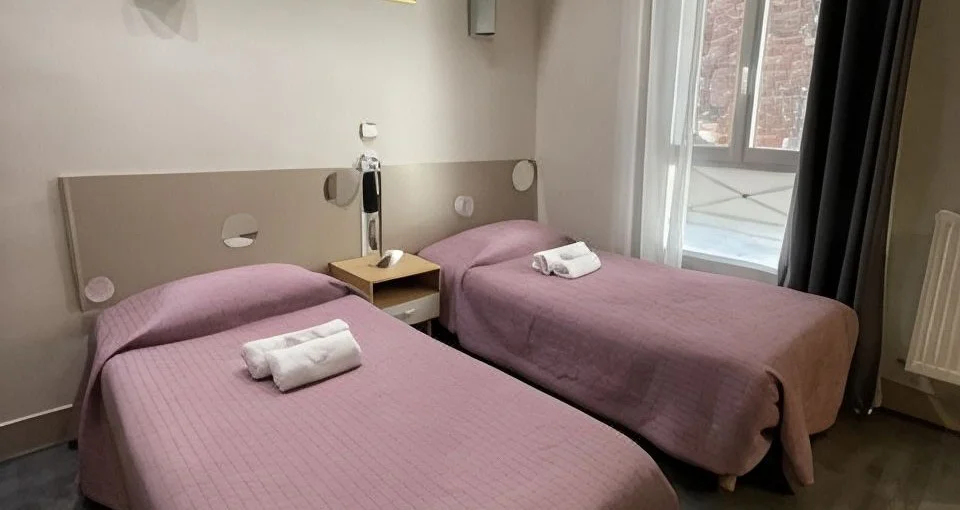
There were about 30 questions like that a week, and assigning rooms alone took 25 minutes every morning. On a normal day, 2-3 of the 20 rooms weren’t ready at 14:30.
Two tools that didn’t stick
The hotel had tried scheduling software twice. The first was a complex HR system built for multi-property chains, the second a general planning app. Both started with a training session and a printed manual. Neither app told a check-out apart from a mid-stay clean, so rooms were still assigned on paper. After 6-8 weeks about 5 of 13 people were logging in, and the rest kept coming back to Camille with questions.
Those failures set the criteria for the next choice: an app the team could use straight away with minimal learning, the schedule, leave and swaps in one place, and housekeeping straight from the bookings.
“We’d already tried two tools. After two months nobody was opening them.”
Day one
Setup took about an hour. Instead of a meeting, Camille sent the team a 10-minute video. Shifts and housekeeping tasks arrive on WhatsApp, which everyone already had on their phones.
By the evening of day one, 11 of 13 people had opened their shifts, and on day two all 13 had. At 11:05 on day one, Inès marked the first cleaned room on WhatsApp. In the first week nobody asked for technical help, and 10 of 13 people later rated ease of use 4 or 5 out of 5.
“It’s WhatsApp, I use it every day. There was nothing to learn.”
The manager’s week
The three daily front-desk shifts are built from templates, and swaps and leave requests are integrated with them. Hours come from clock-ins with geolocation and need no manual checking. Check-outs from the bookings turn into housekeeping tasks automatically, assigned to the housekeepers on shift. The weekly difference for the manager was really big:
- building the schedule: from 3 h to 15 min,
- checking hours: from about 70 min to 10 min,
- assigning housekeeping: from about 3 h to 35 min (from 25 to 5 min a day),
- answering schedule questions: from 1.5 h to 15 min (from about 30 to fewer than 5 questions).
In total, from about 8.5 hours to around 1 hour a week.
Housekeepers start sooner and tick off rooms as they go, so the front desk sees which ones are ready before guests arrive. At 14:30, 98% of rooms are ready instead of 88%. When someone requests leave or marks a day as unavailable, the schedule stops planning them for that day. According to Camille, shifts scheduled on someone’s leave or day off fell from 3-4 a month to zero, and leave clashes in high season from about 3 to 0-1.
“When I request time off, that day disappears from my schedule. Before, you always had to check that the manager hadn’t given me a shift that day.”
The team’s view
The day before each shift, the employee gets a reminder on WhatsApp. According to Camille, late starts fell from about 8 to 2-3 a month, and no-shows without notice from 2 to zero. 11 of 13 people find the reminder “useful” or “very useful”.
12 of 13 people say the schedule finally “matches what they asked for”. Overall, 12 of 13 employees prefer KalendGO to the previous way of working.
“The reminder comes the day before. I haven’t missed a change of hours once.”
Overall result
- 8.5 h → about 1 hof the manager’s time per week. Camille spends the time she has gained on a round of the rooms before 14:30 and on being at the front desk when the first guests arrive.
- 8 → 2-3late arrivals a month; no-shows without notice from 2 to 0.
“They don’t ask me about their hours any more. They just know them.”